Reimagining Aid
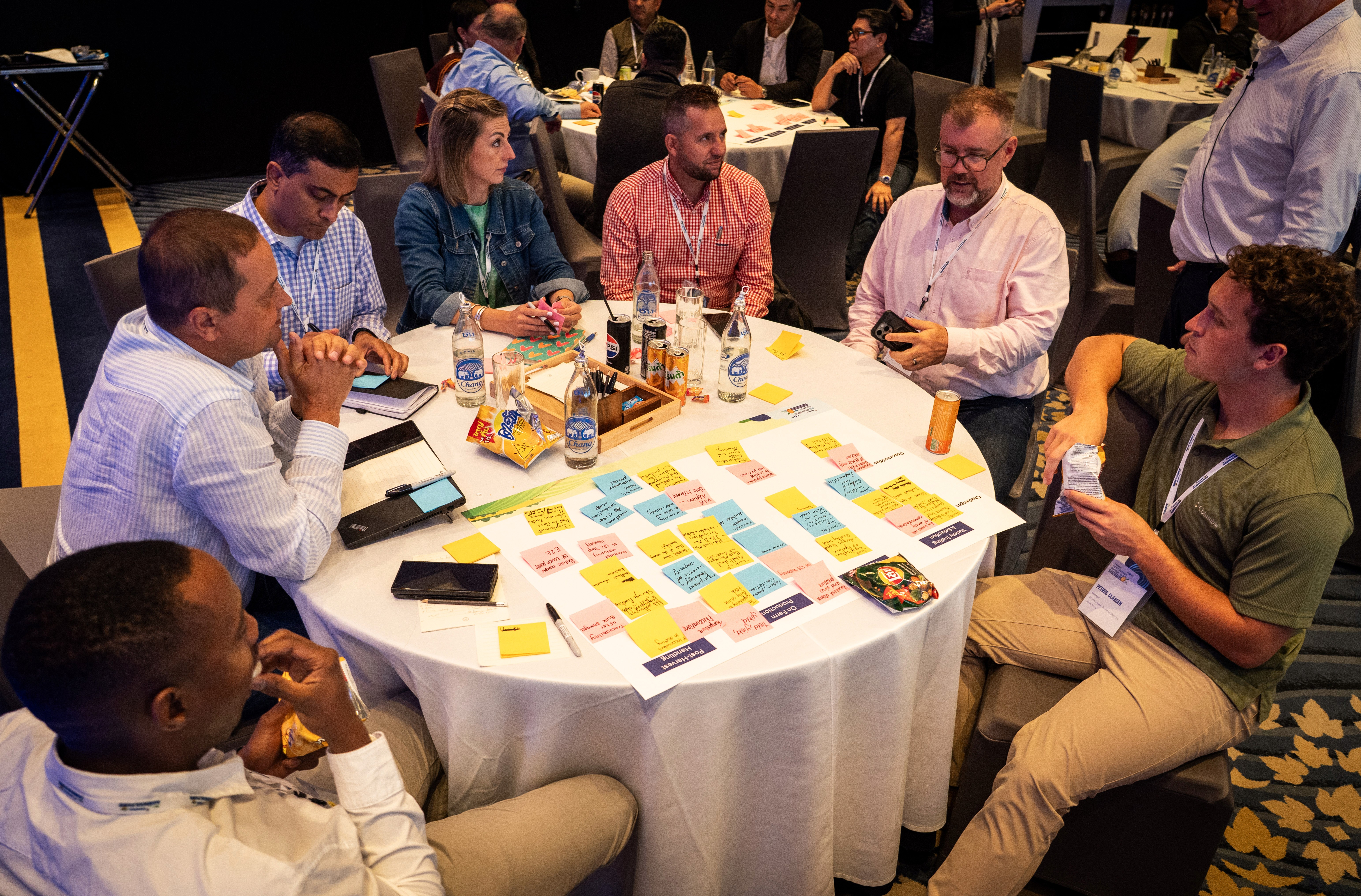
Reimagining Aid was a two-day design lab that brought together development, philanthropy, business, government, and finance leaders in Nepal to explore what a rapidly shifting aid landscape means—and how their organizations can respond. In partnership with Aadyanta Advisory, we co-designed and facilitated a two-day executive design lab and residential retreat that helped participants rethink partnerships, explore new financing and implementation models, and leave with practical ideas and a shared action agenda.
Convening Design
Facilitation
Partnership Strategy
Reimagining Aid for a New Era of Development

Challenge
The development landscape is undergoing a fundamental shift. As traditional bilateral aid models face mounting pressure, grant funding is becoming more competitive and less predictable. Organizations across Nepal and South Asia are being asked to work differently — accessing private capital, building new forms of cross-sector collaboration, and designing more locally led, market-connected pathways to impact.
Yet the actors who need to shape that future — development organizations, businesses, social enterprises, investors, government, and civil society — are rarely in the same room, let alone having a candid conversation about leadership, risk, financing, and what staying relevant requires. We didn’t want this to be another training workshop, but a co-created lab that would build shared understanding, strengthen practical capability, and create the relationships that partnership-driven development depends on.
Implementation
Global Impact Collective partnered with Aadyanta Advisory to co-design and deliver Reimagining Aid, a two-day executive design lab and residential retreat at the Gokarna Forest Resort in Kathmandu, drawing on our Action Co-Lab approach. Together we curated a cross-sector participant mix and built an agenda grounded in a few clear principles: peer learning over lecture, action-oriented outputs throughout, global and local case studies integrated, and relationship-building built into the structure, so that what emerged would outlast the event.
On the first day, nearly 50 participants moved from shared diagnosis to partnership fundamentals. Participants examined the forces reshaping development, philanthropy, markets, and partnerships; explored the evolution from aid-driven to partnership-driven models, private sector engagement, and shared value; and worked through a practical, step-by-step pathway to building partnerships, including a facilitated role-play and negotiation exercise.
The second day turned ideas into action through a cross-sector practitioner panel, a session demystifying blended and catalytic finance with a live asset-valuation exercise, and a Partnership Lab in which teams designed real-world collaboration pathways and pitched them for feedback on feasibility, alignment, and potential for scale. Throughout, we used interactive discussion formats and digital tools to surface themes in real time. The convening was also intentionally designed as a retreat, with nature walks, facilitated wellbeing and emotional resilience sessions, and space for reflection and renewal woven between the working sessions.
Impact
Reimagining Aid established a shared foundation for a new kind of collaboration in Nepal. Participants—many of whom noted how rare it was to have development partners, businesses, and civil society in such open, candid dialogue across sectors — left with new relationships, practical frameworks, and a collective set of next steps.
Four core ideas emerged from the lab: (1) the resource landscape is far broader than aid alone; the task is matching the right capital to the right problem. (2) development organizations already have many of the assets needed in this new landscape, including trust, local knowledge, relationships, convening power, and implementation capability. The challenge they have is articulating and valuing those assets. (3) Strong partnerships require aligned incentives, clear governance, and open conversation. (4) The real shift underway is from projects to locally led systems, with execution and adaptive leadership determining what happens next.
Coming out of the lab, the group agreed to develop a Community of Practice, turning a two-day convening into lasting momentum toward partnership-driven, locally led development in Nepal.