Women in Agriculture
Women: The Invisible Backbone of Agriculture
Sarah Rogers draws from her experience visiting farms all over the globe

Author
Sarah Rogers
May 5, 2026
I grew up in a small New England town of about 7,000 people, in a county with hundreds of small family farms. My drive to school took me by corn fields and cranberry bogs, and we regularly bought produce from the local farm stands, many of which were run by families we knew.
Although my family didn’t have a farm, my dad grew up farming in Florida. After retiring from the military, my grandfather went back to school to study agronomy and bought a large plot of land to grow horticulture crops, including fruits, vegetables, and cut flowers. I distinctly remember my dad’s stories about the long days and challenges of farming — always waking up early on weekends, coming home after school to work on the farm, and having entire crops wiped out by an unexpected frost or disease.
When you picture a farmer, who do you see?
My childhood gave me some exposure to agriculture, but I still had a narrow view of who a farmer was or could be. The farmer I pictured in my head looked a lot like what most American children’s books portrayed in the 90s: a man wearing overalls and a straw hat. That image did have some factual basis, as over 90% of American farms were owned by men through the 20th century, but it was an incomplete picture.
It took me traveling to the other side of the world to realize that women are a vital part of our global food system.
Lessons from the African Continent
When I graduated from college, I moved to Zambia to work in international development. My first real encounter with subsistence farming came through a community farm that my organization supported. During my days on the farm, I saw the role of women and the incredible scope of their work. From supporting the farm labor to cooking all the meals to managing household and caregiving responsibilities, the women were doing it all, with impressive resourcefulness and relatively little recognition for it.
That experience in Zambia was the beginning of five years I spent living and working across Southern, East, and West Africa. Throughout this time, I had the opportunity to work on several agriculture-related projects ranging from food security initiatives to digital tools supporting ag extension officers, and I regularly interacted with women in agrifood systems. My fruit and vegetable vendors at the local markets were all women, who not only hauled their produce to market every morning, but also knew exactly which avocado would be perfectly ripe in three days. The women I met were growers, logisticians, and traders, and sometimes a combination of the three.
What I saw every day reflected a much larger truth across the continent. Agriculture employs almost 50% of workers in Sub-Saharan Africa, compared to approximately 10% in the US, and 76% of African women are employed in agrifood systems. The African continent's food and agriculture sector is projected to reach $1 trillion by 2030, and this won’t be possible without the women who are powering the food system from behind the scenes.
Women: The Invisible Backbone
Now let’s take a step back and look at the global data. Did you know that women are responsible for half of the world's food production? And in some countries, that figure climbs to 60-80%. Women are a driving force in our food systems, yet structurally and statistically, they have remained largely invisible.
I witnessed this firsthand when facilitating an agriculture workshop in Burkina Faso. It was sponsored by the country’s Ministry of Agriculture and involved several NGOs, community organizations, and ag extension agents. The room was almost entirely men. I had spent enough time on the ground to know that women should have been included in the conversation, and they would likely bear the cost of their absence.
Part of the problem starts with how we define, and therefore count, farmers. In many countries, women who work on farms are classified as "unpaid helpers" rather than farmers, because the legal definition of a farmer is effectively tied to land ownership, and unfortunately women own very little land. Worldwide, less than 15% of rural women have secure land rights, while men are at least twice as likely to own agricultural land.
Without recognized status as farmers, women are often blocked from accessing the critical support they need. For example:
Access to Capital: According to the IFC, women-led agricultural enterprises face an estimated financing gap of up to $1.7 trillion globally, and women producers receive only 10% of agriculture loans.
Access to Support Services: Based on FAO data from 97 countries, female farmers received just 5% of all agricultural extension services, and only 15% of extension workers globally are women.
Access to Technology: In several emerging markets, women who work in agriculture are between 5% and 40% less likely than men to own a mobile phone, so they can’t access digital agriculture services.
The result of this resource gap is lower yields, but it’s not due to a skills gap. Women are simply farming with less: less land, less capital, fewer inputs, and less access to training and technology. The FAO has projected that if women had the same access to productive resources as men, they would increase their yields by 20-30% and close the gender gap. At the macroeconomic level, closing the gender gap in farm productivity and agricultural wages would increase the global GDP by almost $1 trillion and reduce the number of food-insecure people by 45 million.
What Happens When Women Lead
The good news is that there’s longstanding evidence of the positive impact of providing women with resources, recognition, and decision-making power. Research across Africa, Asia, and Latin America shows that when women control income, a significantly higher proportion is spent on food, healthcare, and education for children, which benefits the broader community.
As climate pressures intensify, investing in women farmers is not just a matter of equity, it’s a matter of climate adaptation. Women play a key role in building more climate-resilient food systems, so closing the gender gap in agriculture is an urgent need for food security, community resilience, and planet health. In countries like Vietnam, where 63% of rural women participate in farming, efforts are underway to ensure that women farmers can access climate-smart technologies.
Organizations like Root Capital, Oxfam, and Landesa have long understood the economic importance of investing in women farmers, designing programs to develop female agricultural leadership, close credit gaps, and improve women’s access to land rights. For example, Root Capital's Women in Agriculture Initiative recently disbursed over $125 million in financing to women-led and gender-inclusive enterprises.
The private sector has increasingly acted on this too, with a growing number of CPGs, food and beverage brands, and agribusinesses integrating gender equity into their sourcing and supply chain strategies and partnering with NGOs to support women farmers (e.g., She Feeds the World, PROSPER). Meanwhile, technology companies are prioritizing closing the digital and information access gap for women, including women farmers, which I saw firsthand when working with organizations like the Global System for Mobile Communications Association (GSMA).
These efforts reflect a growing recognition across the public and private sector that investing in female producers is not only the right thing to do, but also makes supply chains and agricultural communities stronger, more productive, and more resilient.
Long Overdue Recognition
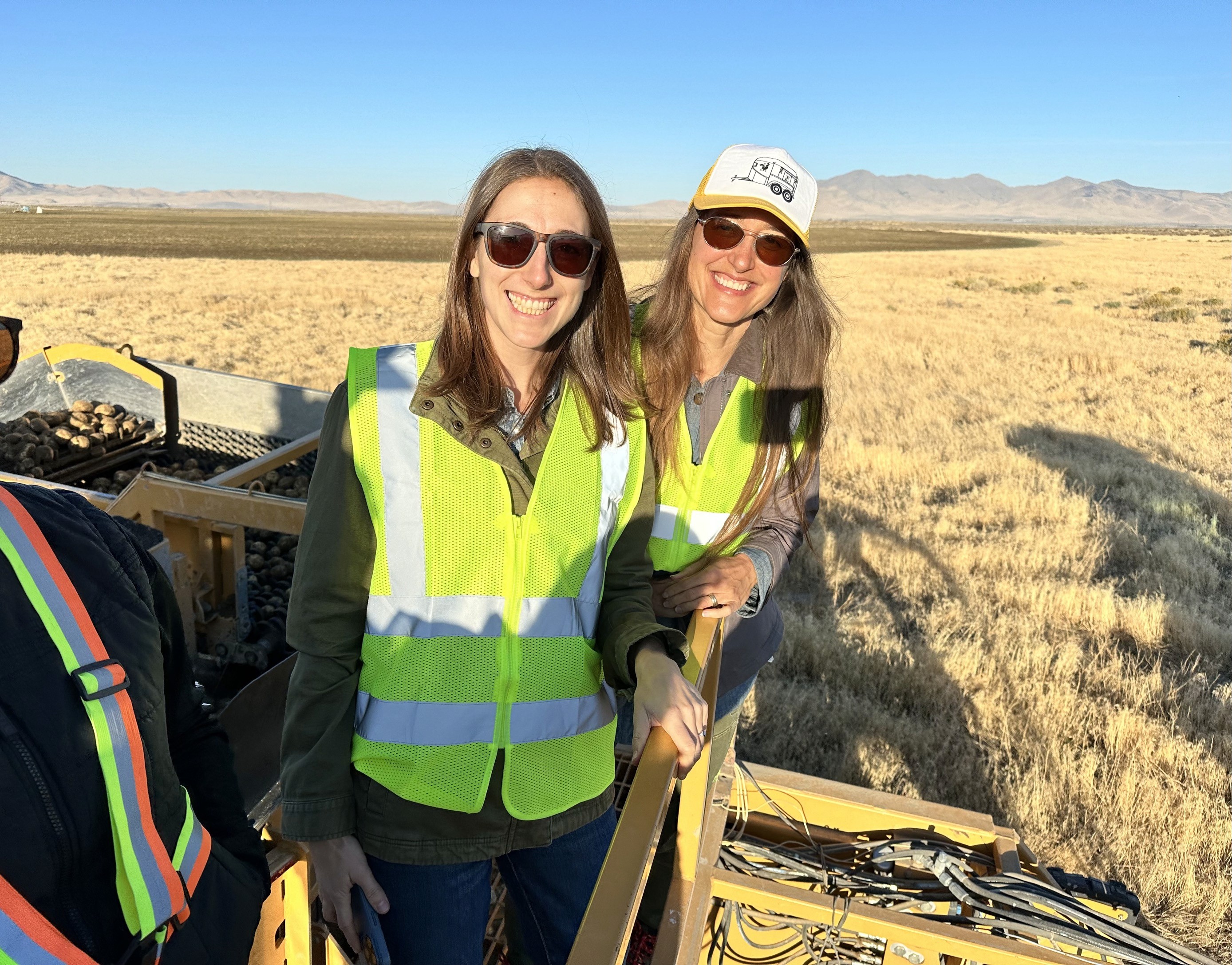
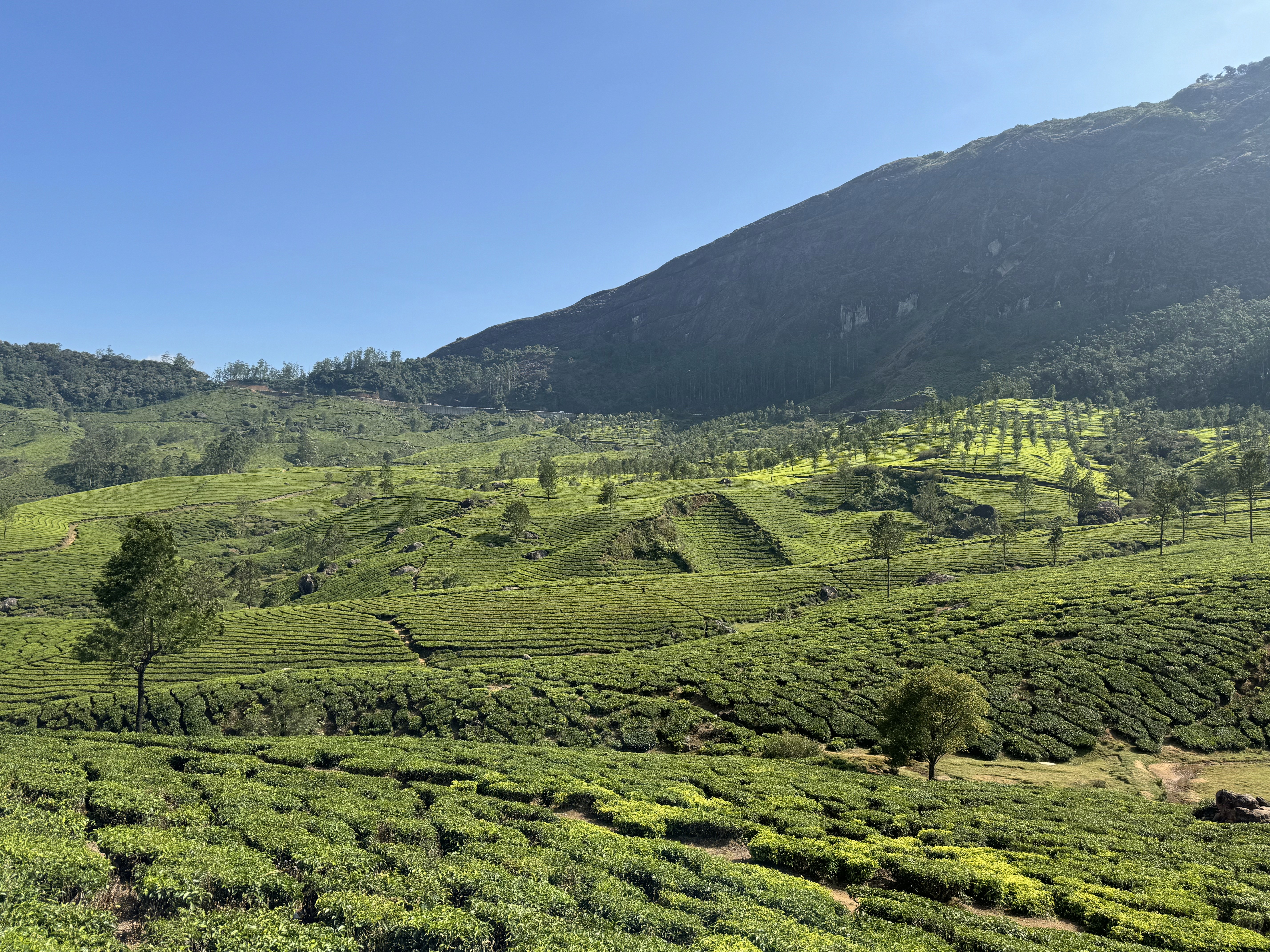
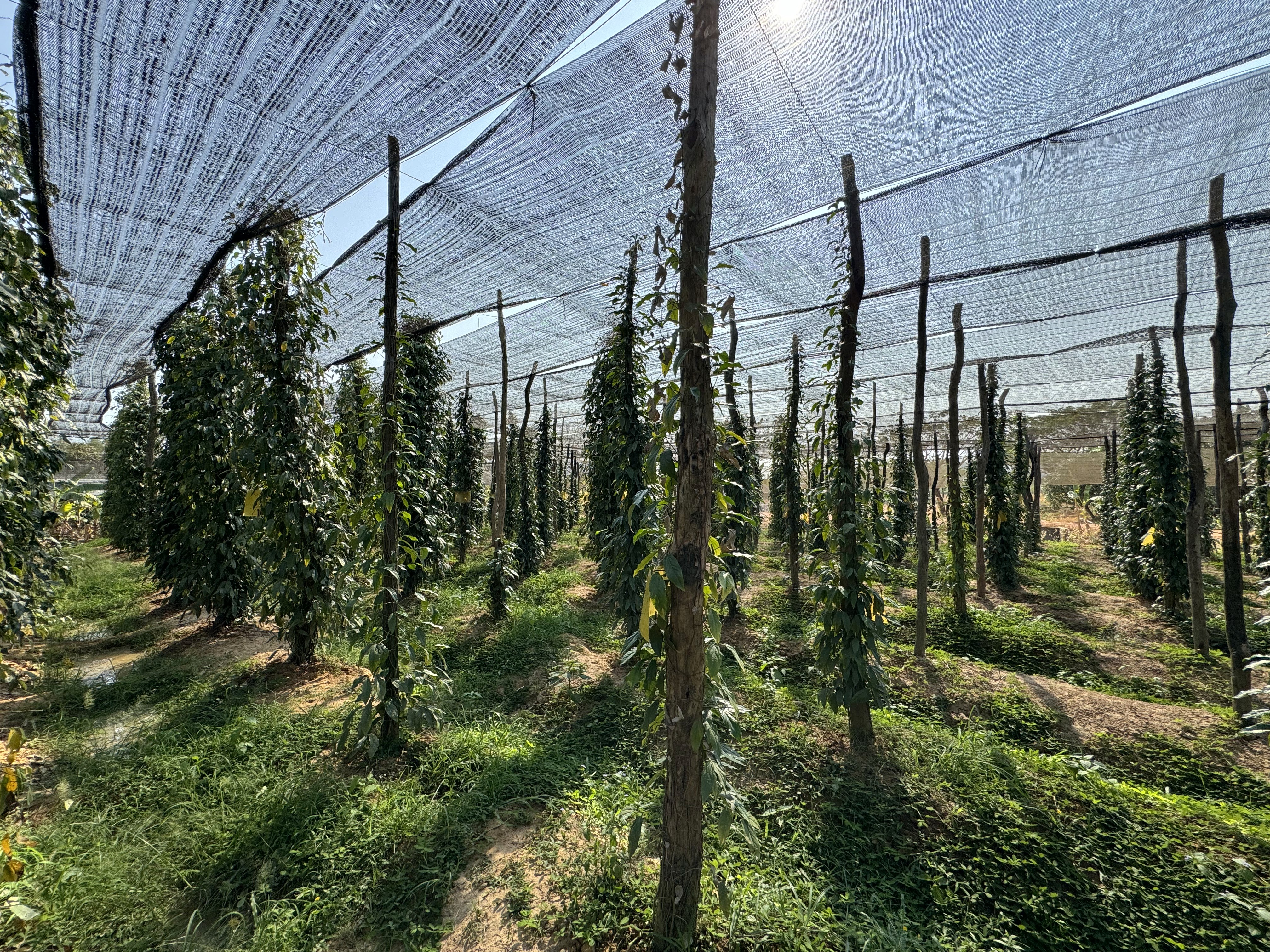
Over the last decade, I’ve had the opportunity to visit farms in several countries, including coffee farms in Burundi, cacao plantations in São Tomé and Príncipe, tea estates in India, agroforestry operations in Cambodia, and potato farms in both Spain and the US. Within the last few years, I’ve seen more women in formal, decision-making roles across agronomy, day-to-day farm management, and business strategy. The shift is real, and it is already well underway.
In the US alone, the numbers show considerable changes in the gender makeup of the industry. According to the 2022 USDA Census of Agriculture, 1.2 million female producers account for 36% of all US farm operators, and 58% of all US farms have at least one female decision-maker.
And this year, the world is officially paying attention to women farmers.
The United Nations has declared 2026 the International Year of the Woman Farmer (IYWF), co-sponsored by 123 countries. The United States was the resolution's lead sponsor, which is the first time the US has ever led an "international year" at the UN, a signal of how seriously this moment is being taken. The American Farm Bureau's Women's Leadership Program is also hosting a dedicated IYWF Summit in Washington, D.C. this June, bringing together farmers, advocates, policymakers, and organizations committed to making this year more than symbolic.
The UN's designation of 2026 as the International Year of the Woman Farmer is a long-overdue act of recognition for women who have been feeding the world for centuries without a fraction of the credit they deserve.
Recognition matters. So do resources, policy, and sustained investment alongside it.
Final Reflection
I recently asked my dad about my grandmother's role on his family farm growing up. Without hesitation, he said she was "crucial” and proceeded to describe the many ways that she helped their farm succeed. For some reason, I hadn’t remembered hearing these stories about her during my childhood. This isn’t because her contribution wasn't real, but it's often how the story is told, or the data gets counted.
I’m not a farmer nor am I an agriculture expert, but I’ve spent enough time on farms and engaging with farmers to have immense respect for everyone involved in growing the food that we eat. And women farmers have earned that appreciation many times over. My personal commitment is to keep seeing, naming, and supporting the women who help make our global food system run. I invite you to do the same:
Support them: Look for women-owned products at the grocery store, sign up for a CSA run by a female grower, or donate to organizations working with women in agriculture.
Engage with them: Talk to a woman farmer at your local farmer’s market, ask where your food comes from and who grew it.
Advocate for them: Attend or host an IYWF event and bring others into the conversation.
And don’t forget to ask the women in your own family if they have a connection to agriculture. You might be surprised by what you hear. My grandmother was crucial. I just had to ask.
I know who I now picture when I think of a farmer. It's about time the rest of the world catches up.
Resources
Organizations helping to support and amplify the voices of women farmers in the US and around the world: