Understanding Technology Needs of Growers
Challenge
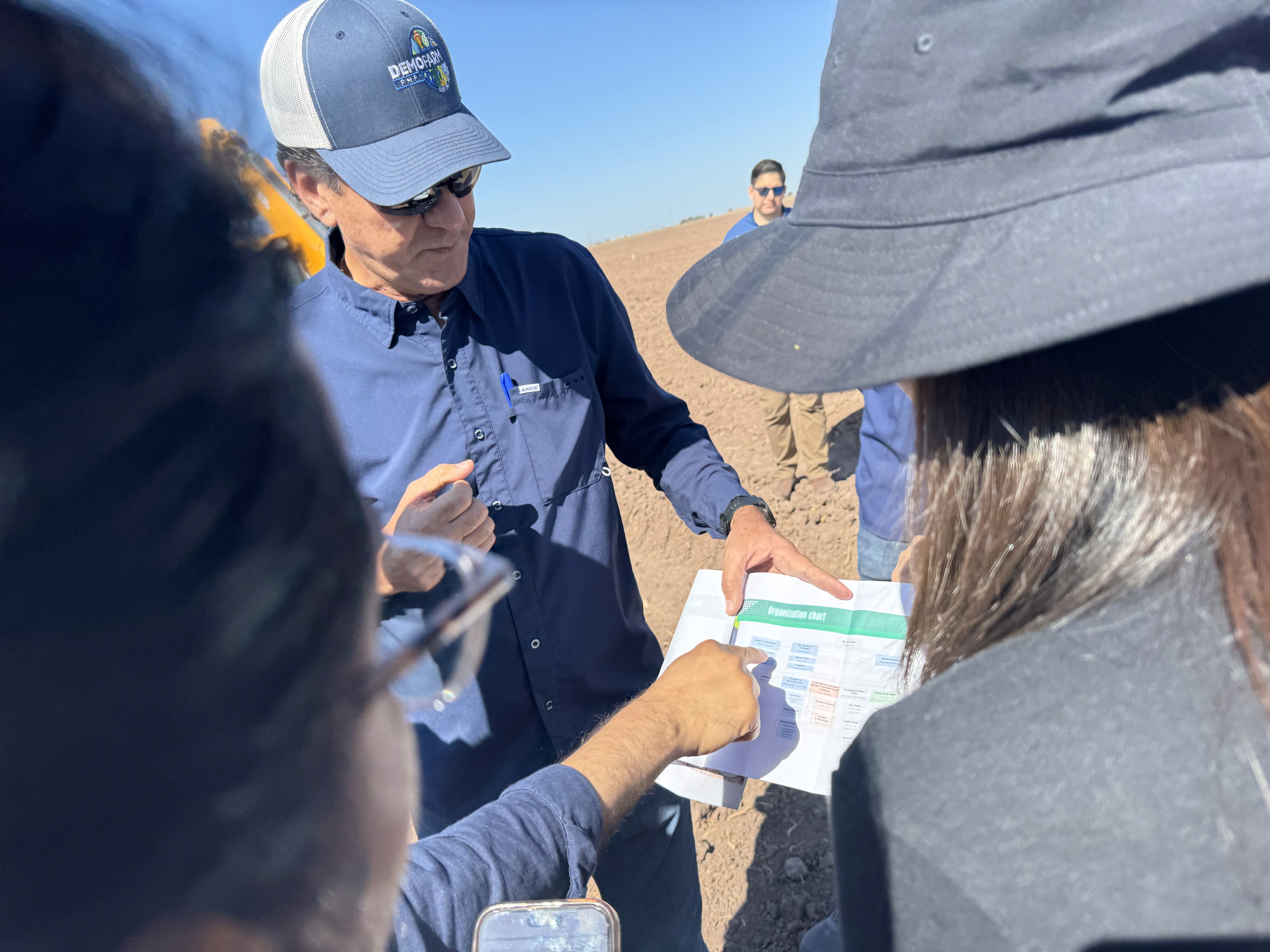
PepsiCo was holding a three-day event in Brasilia, Brazil, bringing together more than 200 growers, internal teams, vendors, and others from across Latin America. The event aimed to showcase digital innovations being used across the region, build a community of growers, and highlight best practices. To maximize the value of this gathering, PepsiCo sought to gain a deeper understanding of how farmers were using existing tools and technologies and identify what they might want the company to provide in the future.
Implementation
In response to this challenge, the Global Impact Collective designed and facilitated four user-focused workshops during the event and conducted more than 10 one-on-one interviews with growers. The objective was to capture growers' experiences with current technologies and identify priority areas for future development.
The workshops utilized a variety of human-centered design methodologies to foster collaboration and idea generation. Solo storming encouraged individual reflection on the efficiencies gained with PepsiCo's current on-farm tech solutions and areas for improvement. This was followed by facilitated table discussions in Spanish, Portuguese, or English, where participants shared diverse perspectives and identified common themes through structured report-outs.
The Global Impact Collective team developed an interview guide for one-on-one meetings with growers to explore common efficiencies and improvement areas in greater depth, providing a more robust picture of grower needs. Growers expressed appreciation for the opportunity to shape PepsiCo's future farm-level technology development.
Impact
Through these approaches, the workshops and interviews helped define several attributes that became part of grower personas the Global Impact Collective developed for the company. Additionally, the engagement uncovered several short-term opportunities to improve technology tools that the company and growers use to track agronomic practices, sustainability practices, yields, and distribution. This knowledge helped lay the foundation for more effective and user-focused agricultural technology solutions across Latin America.