Seattle Public Utilities
Seattle Public Utilities wanted to explore how food businesses and local organizations could help consumers reduce food waste by positioning food as a way of building community and fostering cultural connections. We showed that food could indeed serve as a connector and developed a report to help SPU navigate challenges and potential solutions to implementing a creative food waste prevention initiative.
Key Informant Interviews
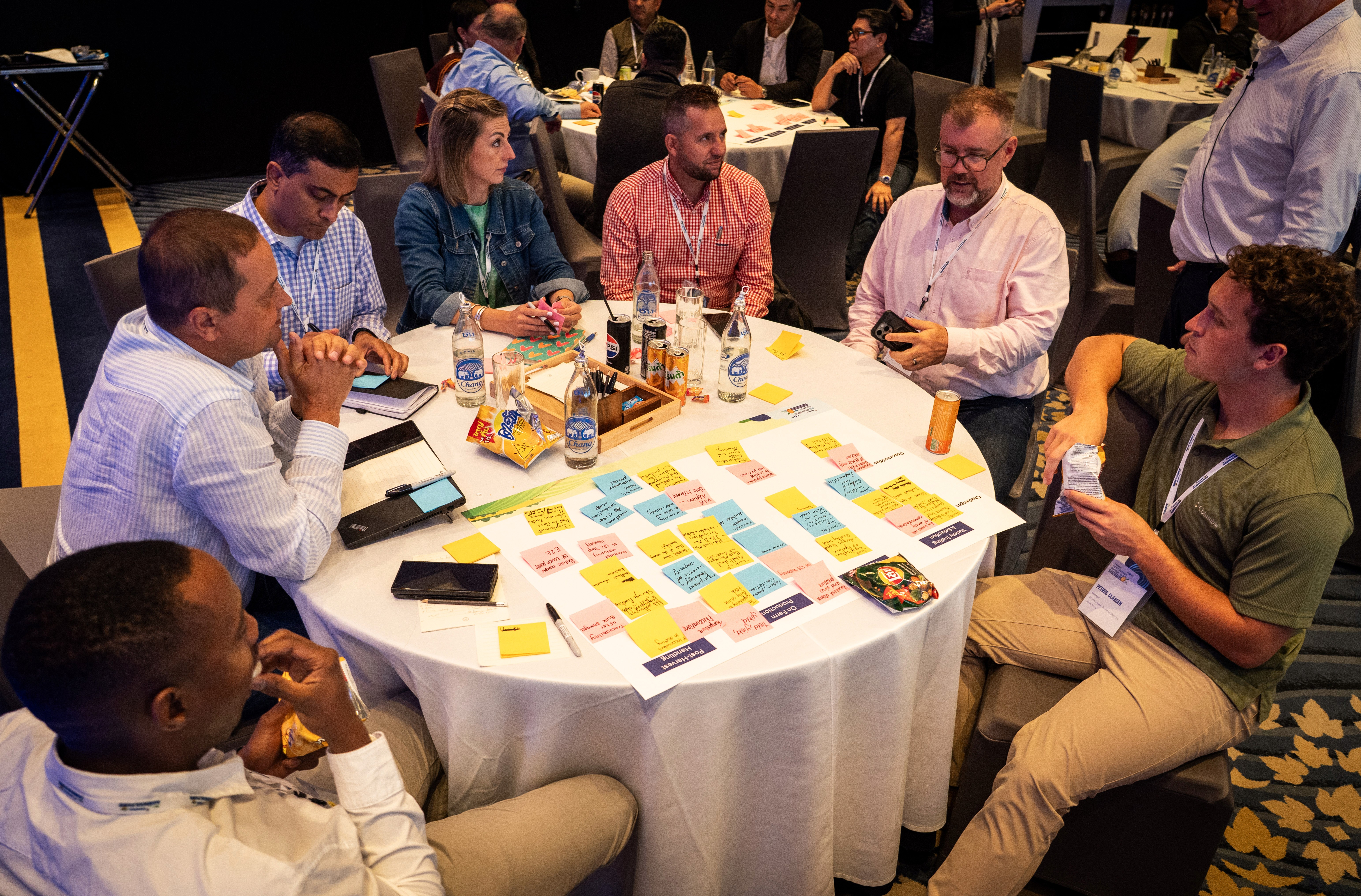
Co-Creation Workshops
Partnership Strategy
Food Loss and Waste
Re-imagining Food Waste Reduction Across Seattle
Challenge
In Seattle, approximately 20% of residential and commercial garbage still contains food waste despite local bans and messaging. Seattle Public Utilities wanted to better understand why existing approaches were falling short and explore alternatives to shame-based food waste campaigns. The city was interested in whether reframing food as something that connects communities and engaging trusted local businesses and leaders could inspire behavior change and reduce waste.
Implementation
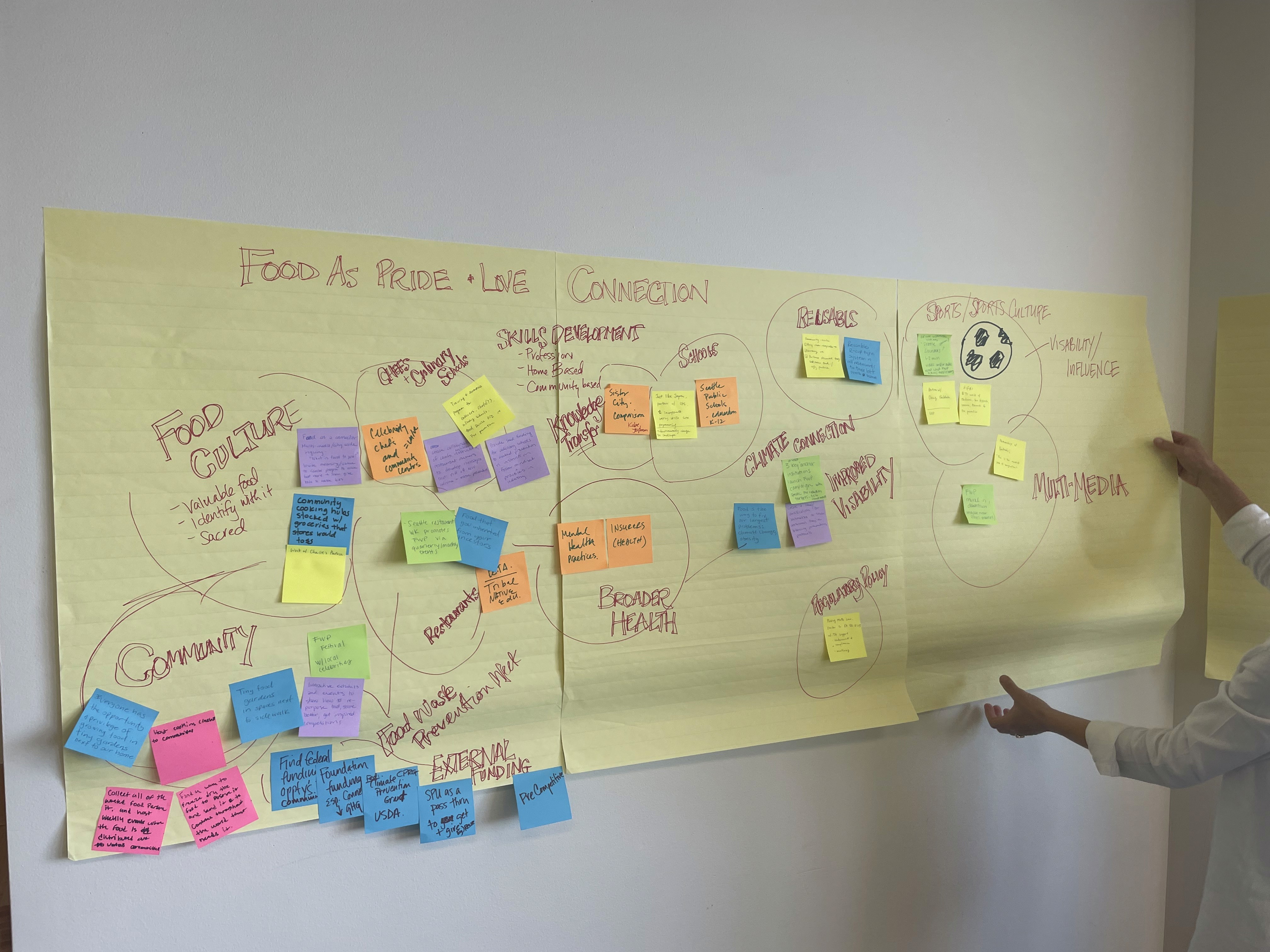
We partnered with Seattle Public Utilities to apply a human-centered design approach that put community voices at the center of the problem. Through a series of workshops, listening sessions, and desk research, we worked with SPU to explore how food moves through Seattle’s neighborhoods, businesses, and households, and where opportunities for change exist.
We engaged more than 100 participants across over 30 businesses, community organizations, and institutions, with intentional outreach to reflect the city’s geographic, cultural, and socioeconomic diversity. Insights from these conversations were synthesized into a clear set of findings and a practical pathway forward, supported by a final report and an interactive workshop to help SPU leaders translate insights into program ideas and partnerships.
Impact
The work confirmed that food can serve as a powerful community connector, and that many businesses want to play a leadership role in food waste prevention but face real capacity constraints. The research showed where leadership from large anchor institutions could have the greatest impact and identified key drivers of consumer food waste, including limited cultural relevance, weak connections to food sources, and low awareness of food waste impact. This work sets the stage for SPU’s implementation phase for programs and partnerships.
Read the final report here.
“We’ve really enjoyed working with the Global Impact Collective. They treat the relationship as a true partnership. They come to the work with curiosity and experience. Working with their team includes the ease of a good friendship paired up with accountability and research that gives us confidence in new approaches. Their staff listens deeply to everyone involved and works efficiently to get results.”
— Liz Fikejs, Seattle Public Utilities