RESILIENCE
EMBRACING CHANGE
2025: Finding Hope in Uncertainty
Reflecting on an extraordinary year for Global Impact Collective
Author
James Bernard
December 18, 2025
As we close out 2025, I'm reflecting on an extraordinary year for Global Impact Collective — our second since Carey Renn and I started this journey over coffee at Uptown Espresso in Seattle.
This year threw us all into uncharted territory. Economic volatility, political upheaval, environmental crisis. It's been a lot. Yet through dozens of conversations with leaders in our field, I kept hearing the same insight: uncertainty creates space for meaningful change. It forces us to listen more carefully, refine our purpose, and forge unexpected alliances.
What We Learned by Doing
We took this philosophy to heart, leading to some remarkable projects around the world:
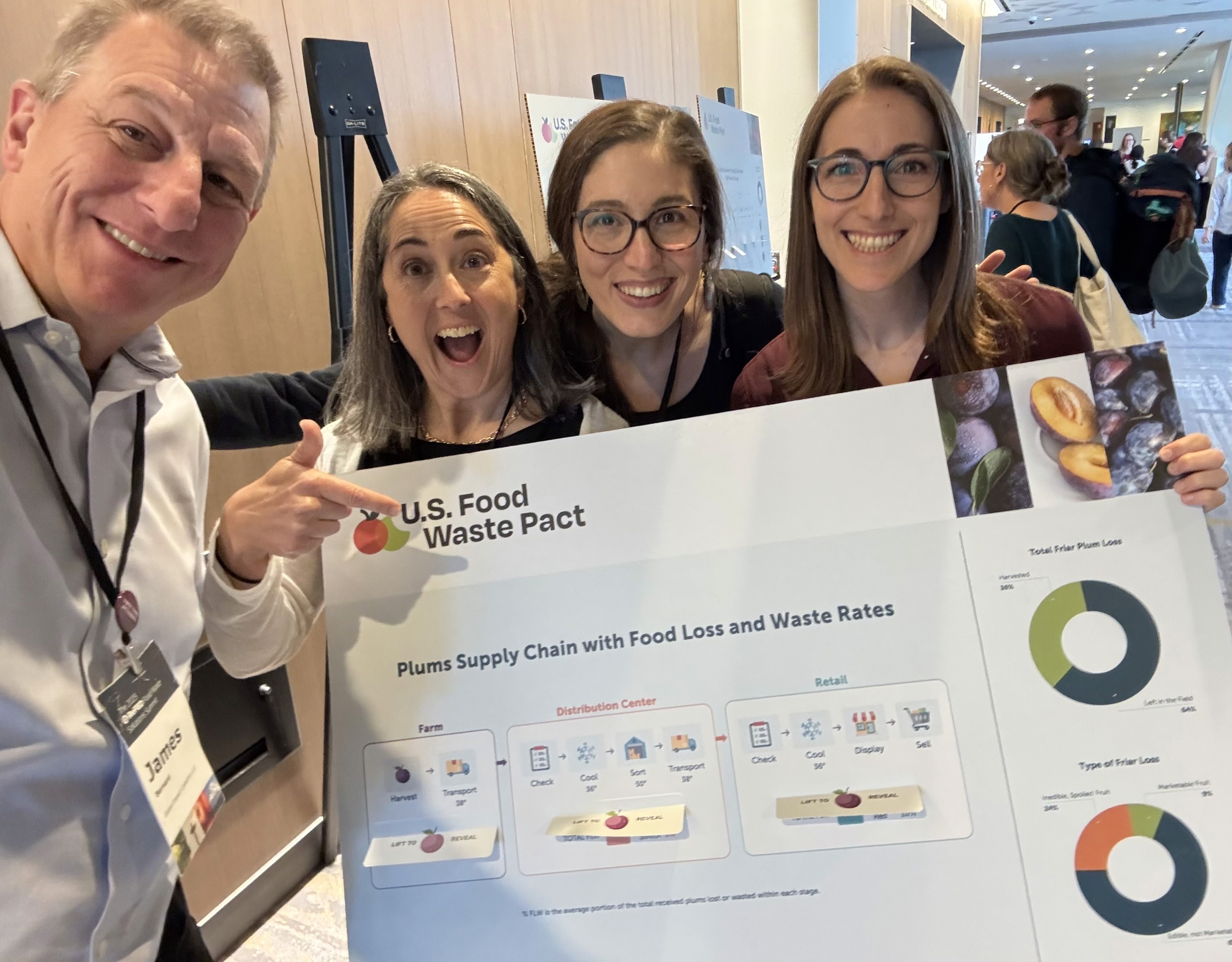
Building resilience through community. We wrapped up research for Seattle Public Utilities on how food-based businesses can lead food waste reduction by celebrating food as culture and connection, work that will be used to shape local World Cup 2026 activities around food waste. Even when systems feel strained, communities find creative, culturally rooted ways to reduce waste and build resilience. We also completed a case study on food loss and waste for organic plums in the Pacific Northwest for the Pacific Coast Food Waste Commitment, creating actionable solutions from farm to retailer.
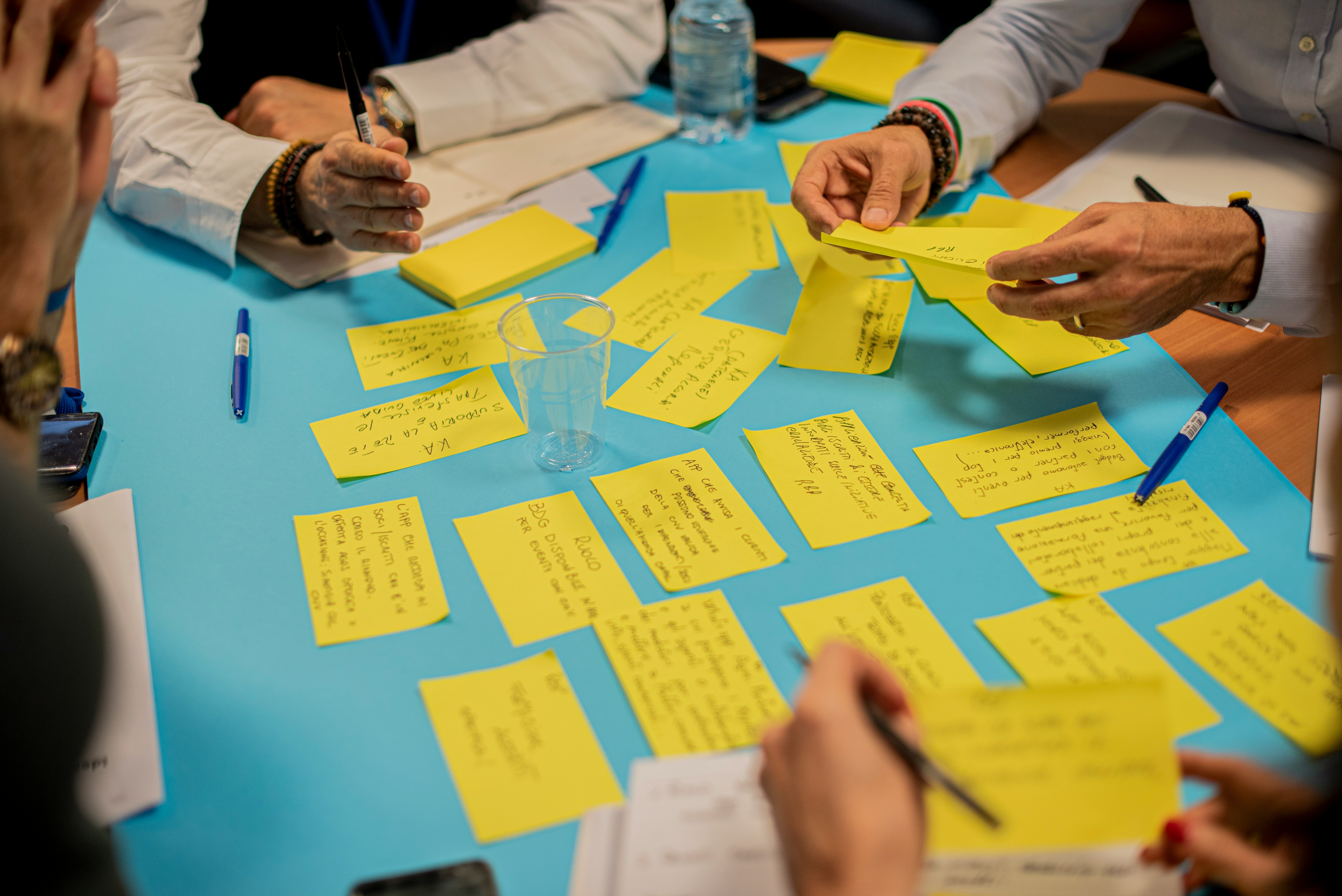
Embracing change in volatile times. In Los Mochis, Mexico, we facilitated a design workshop with Microsoft and PepsiCo, helping field teams and growers integrate AI tools into their operations. Teams told us that adopting new technology in uncertain times can feel risky, but their willingness to participate was itself a first step toward a change management process we designed for PepsiCo. In Bangkok, we organized PepsiCo's first global agriculture innovation summit, bringing together 150+ growers, field teams, and executives from 30+ countries to share practices and build connections. In a year of volatility, the energy in the room proved that global collaboration creates stability and shared direction.
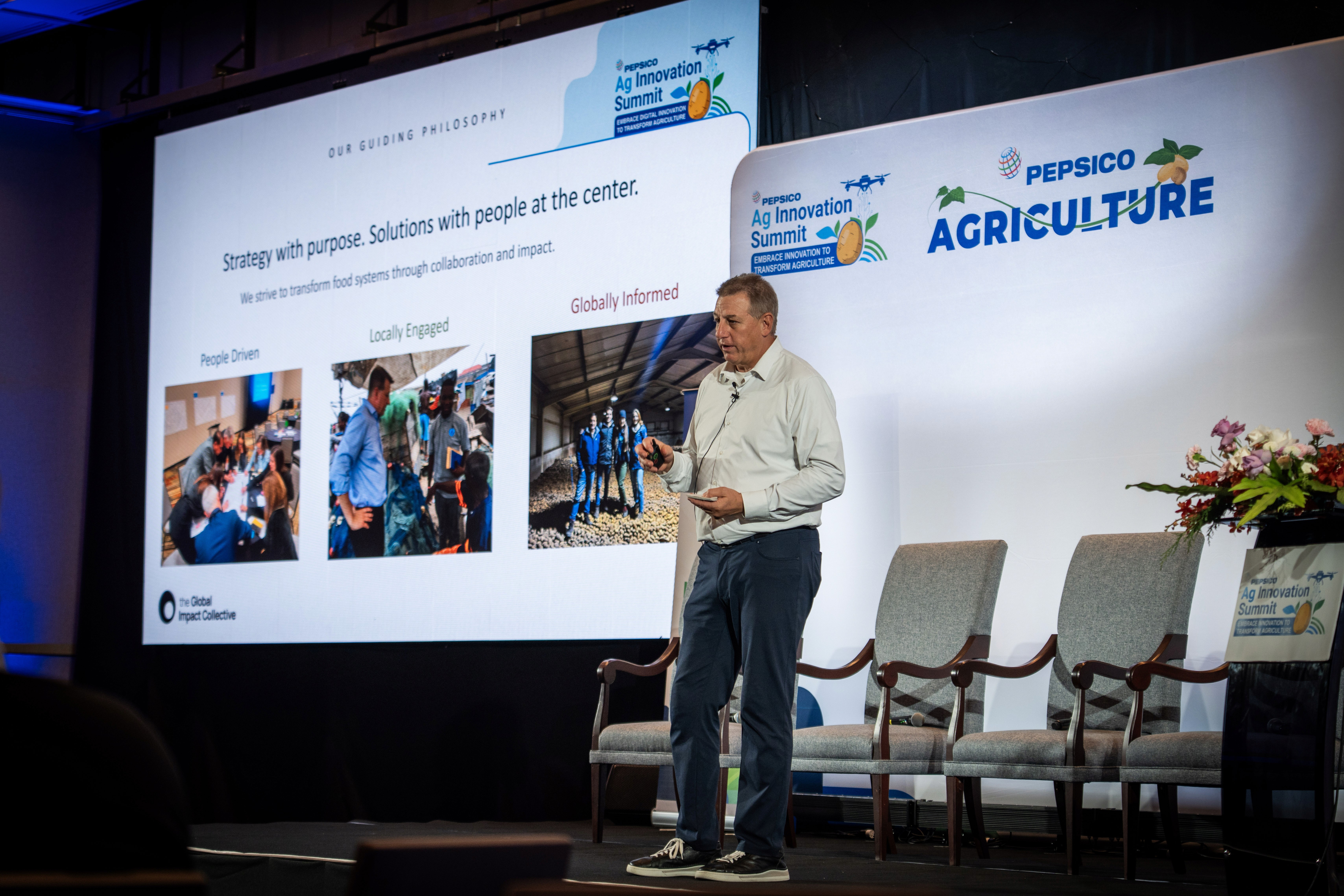
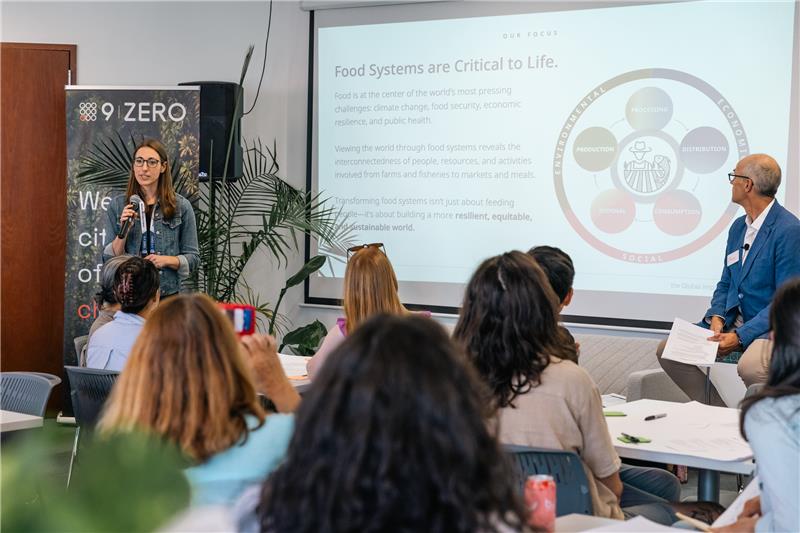
Finding strength in collective action
When the path ahead feels unclear, collective creativity and innovation become some of our most powerful tools. During Climate Week NYC and One Ocean Week Seattle, we hosted convenings exploring innovations in ocean-based food systems, from blue economy financing to aquaculture documentaries.
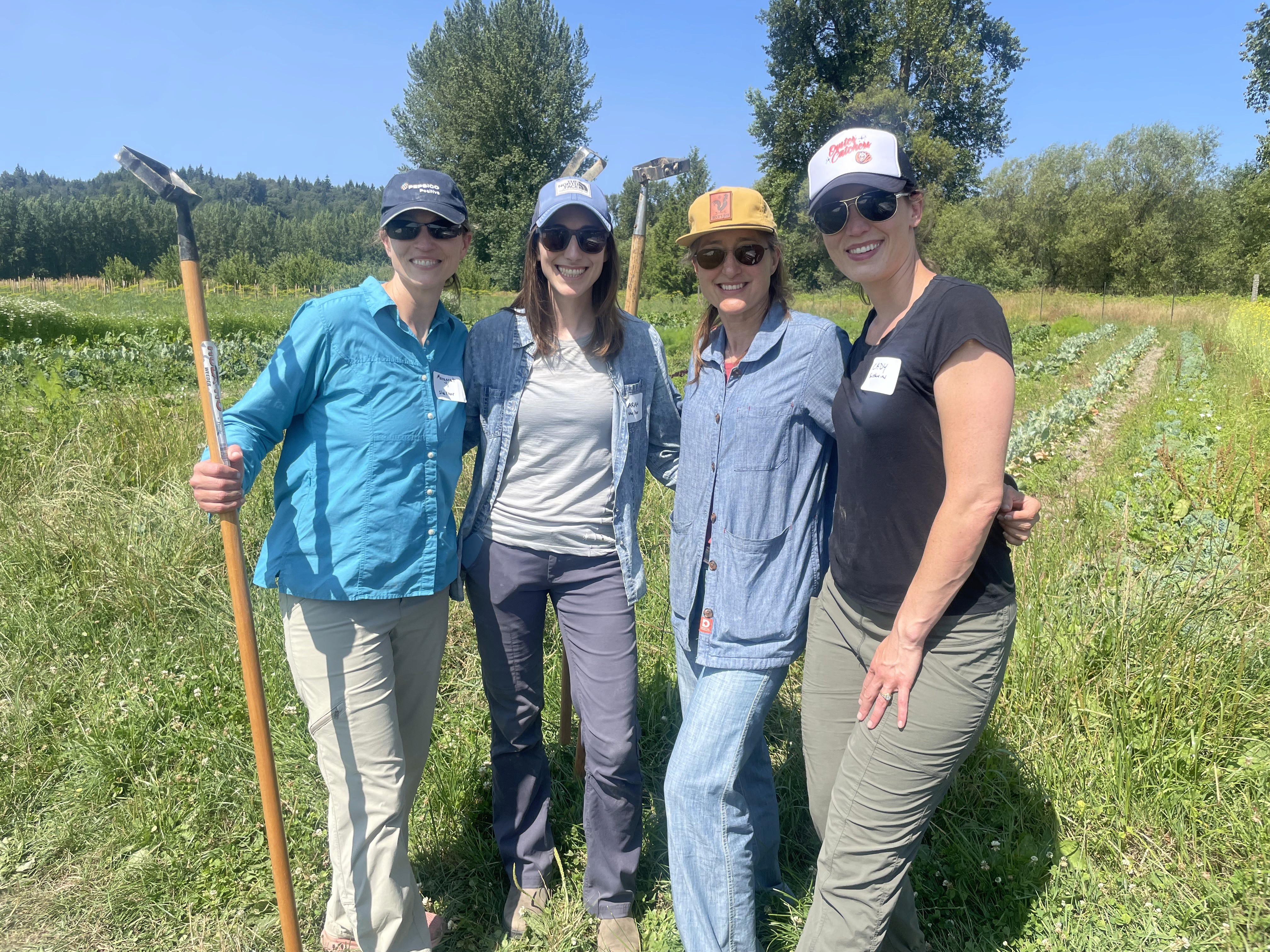
As part of PNW Climate Week 2025, we gathered local leaders from across the food system for an engaging panel discussion and ideation workshop. Given the nature of the event, it attracted a wide range of attendees who are passionate about food waste reduction and food justice, beyond those who work full time in the space.
I also had the privilege of attending Google Food Lab, where 200 food system leaders shared breakthroughs in everything from climate-resilient seed varieties to circular food service systems. Hope often emerges when you see how many people, across disciplines and geographies, are pushing toward the same horizon.
Finally, we helped finalize WWF's Nature Positive Framework for Oceans, co-designing and facilitating a workshop with 50+ participants from 23 countries and six industry sectors. The framework was ultimately launched at the UN Ocean Conference in France.
Where I Find Hope
On a recent flight, I found myself thinking about regeneration — the ability to connect past, present, and future toward renewal and restoration. The concepts feel especially resonant in a year defined by uncertainty. Though usually applied to agriculture, regeneration describes what I see happening in our broader work.
Two conversations brought this home for me.
The first was with two rice farmers in Arkansas who, despite (or because of) razor-thin margins, are investing in regenerative practices. As one said: "We're in this business because it's a calling. It's our duty to leave a thriving landscape for future generations."
The second was with Dune Lankard, founder of the Native Conservancy, whose work appears in the documentary Hope in the Water on PBS: "If we're going to help the ocean heal, it's going to take all of us collectively, with our intelligence and our drive to create regenerative economies that make a difference." In our conversation, Dune reminded me that uncertainty doesn’t diminish our agency; it heightens our responsibility to act with intention.
That's what gives me hope as we head into 2026: our collective wisdom and power to work together, honoring what came before while building something better for those who come after.
Thank you for being part of this journey. Whether you've offered advice, provided feedback, pitched in on projects, or partnered with us, you've made this work possible.
Here's to what we'll build together in 2026.
Look for us at GreenBiz 2026 in Phoenix, Feb. 17-19. We have two sessions and would love to hear from you if you’re going to be there.