
The African Forest and Savanna Elephant Reports
Challenge
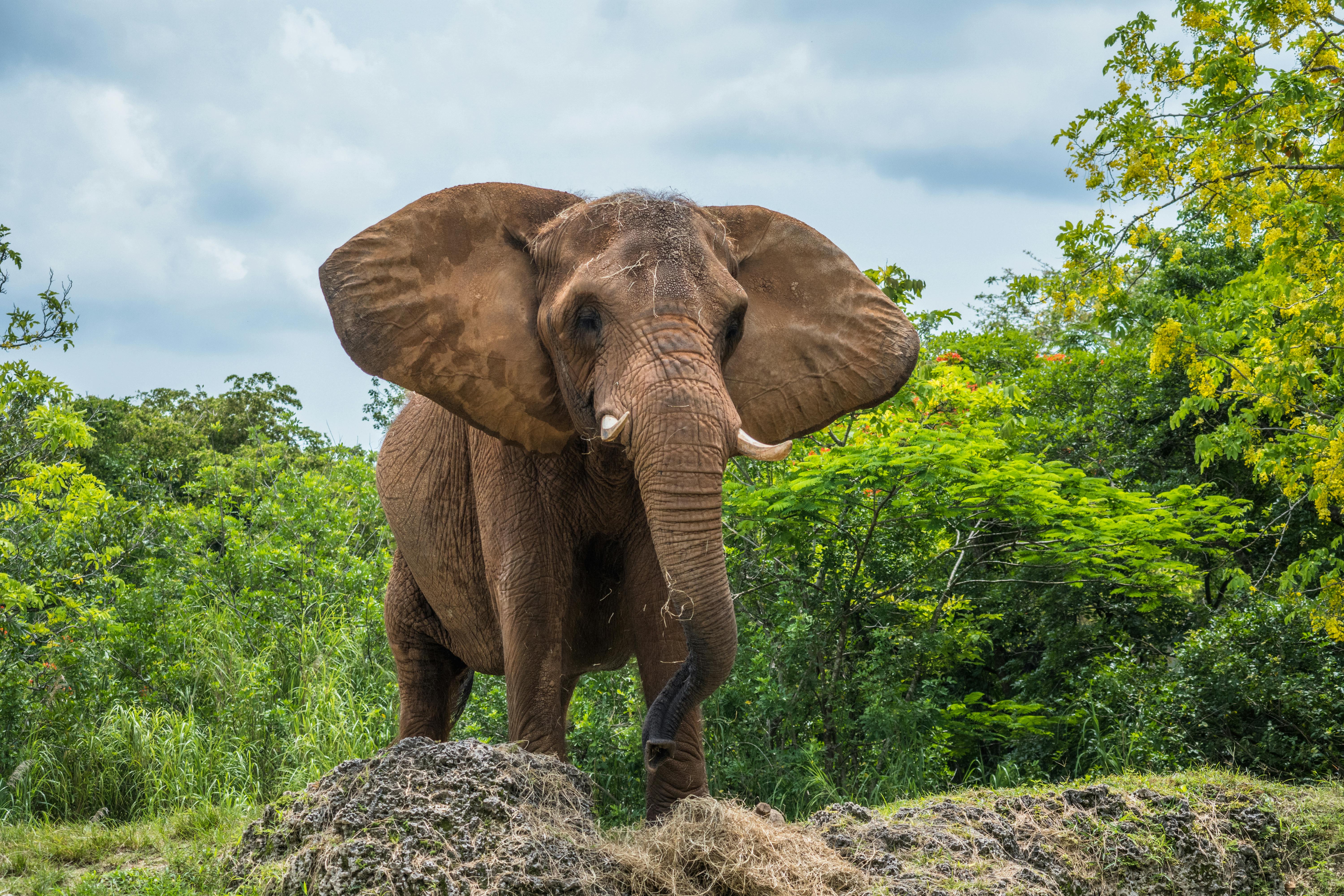
African elephant populations — both forest elephants (Loxodonta africana) and savanna elephants (Loxodonta cyclotis) — have undergone dramatic changes over the past several decades due to poaching, habitat loss, human-elephant conflict, and political instability. Despite conservation investments, range states (nations whose territory lies within these elephants’ habitat) have lacked a unified, continent-wide synthesis of elephant distribution, population size, and trends. Existing data have been fragmented or outdated, complicating decision‑making and planning. The challenge has been to integrate hundreds of diverse datasets into a standardized, defensible assessment across all range states.
Implementation
Our team led data coordination, technical review, and synthesis for the African Forest and Savanna Elephant Status Reports. We compiled and validated thousands of spatial and population data points from 2015–2025; standardized aerial, dung, camera trap, and genetic surveys; managed a continental database; performed geospatial analyses to map distribution shifts and movement corridors; and collaborated with experts to ensure scientific rigor.
Impact
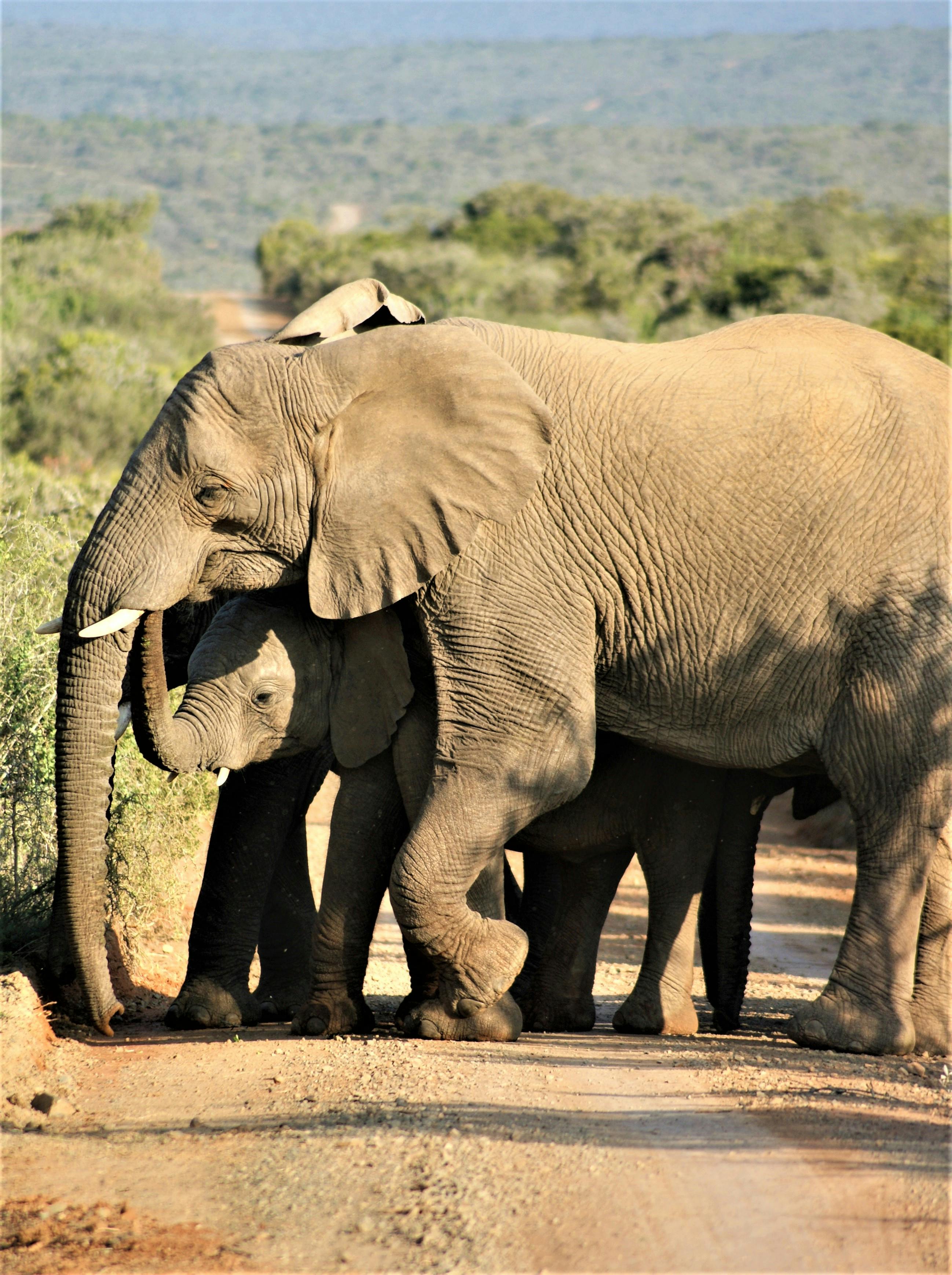
The two reports provide the most authoritative and current synthesis of African elephant status since the publication of the African Elephant Status Report in 2016. This is also the first set of reports to distinguish between forest and savanna elephants, enabling range states to update the African Elephant Action Plan, strengthen protection strategies, and prioritize investment in recovery landscapes. It clarifies population trends, genetic isolation risks, and transboundary conservation needs, and informs decisions by the Convention on International Trade in Endangered Species of Wild Fauna and Flora (CITES), donors, and international partners. This work contributes meaningfully to long‑term conservation of one of Africa’s most threatened and beloved species.